




Implementation
Implementation
The developers coded the system using TypeScript, ReactJS, and Tailwind CSS, with MongoDB as the database and Windows OS as the operating environment. Core modules such as Registration, Profile Management, Community Posts, Messaging, and Admin Dashboard were implemented, along with the Matrix Factorization Algorithm for personalized recommendations. Minor revisions and debugging were done to ensure smooth functionality, resulting in a fully operational platform ready for testing and evaluation.
The developers coded the system using TypeScript, ReactJS, and Tailwind CSS, with MongoDB as the database and Windows OS as the operating environment. Core modules such as Registration, Profile Management, Community Posts, Messaging, and Admin Dashboard were implemented, along with the Matrix Factorization Algorithm for personalized recommendations. Minor revisions and debugging were done to ensure smooth functionality, resulting in a fully operational platform ready for testing and evaluation.
Implementation
The developers coded the system using TypeScript, ReactJS, and Tailwind CSS, with MongoDB as the database and Windows OS as the operating environment. Core modules such as Registration, Profile Management, Community Posts, Messaging, and Admin Dashboard were implemented, along with the Matrix Factorization Algorithm for personalized recommendations. Minor revisions and debugging were done to ensure smooth functionality, resulting in a fully operational platform ready for testing and evaluation.
User Testing
User Testing
Woodworkers, woodcrafters, and woodworking enthusiasts from Bataan were invited to use the system. Their feedback was gathered using an evaluation form based on ISO 25010 criteria: functional suitability, usability, performance efficiency, reliability, compatibility, security, maintainability, and portability.
Woodworkers, woodcrafters, and woodworking enthusiasts from Bataan were invited to use the system. Their feedback was gathered using an evaluation form based on ISO 25010 criteria: functional suitability, usability, performance efficiency, reliability, compatibility, security, maintainability, and portability.

The evaluation results showed excellent performance across all criteria. Functional suitability, usability, performance efficiency, and compatibility all received average ratings above 4.5 on a 5-point Likert scale, with descriptive interpretation of Excellent. Users found the system reliable, user-friendly, and efficient, with personalized recommendations further enhancing their experience. Only minor issues were identified during testing, which were promptly resolved.
The evaluation results showed excellent performance across all criteria. Functional suitability, usability, performance efficiency, and compatibility all received average ratings above 4.5 on a 5-point Likert scale, with descriptive interpretation of Excellent. Users found the system reliable, user-friendly, and efficient, with personalized recommendations further enhancing their experience. Only minor issues were identified during testing, which were promptly resolved.
The evaluation results showed excellent performance across all criteria. Functional suitability, usability, performance efficiency, and compatibility all received average ratings above 4.5 on a 5-point Likert scale, with descriptive interpretation of Excellent. Users found the system reliable, user-friendly, and efficient, with personalized recommendations further enhancing their experience. Only minor issues were identified during testing, which were promptly resolved.
Design and Prototype
Design and Prototype
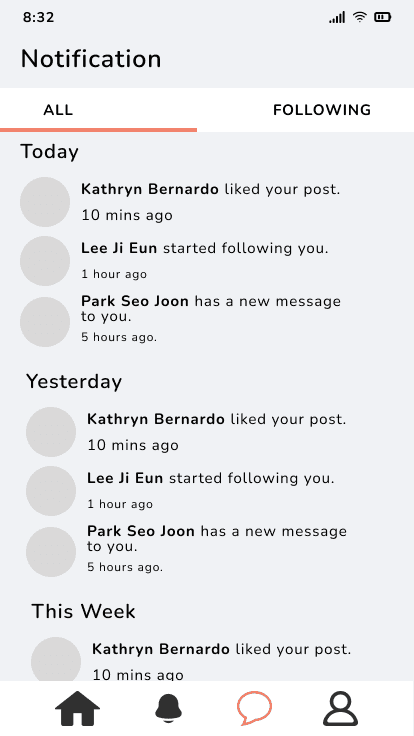
Focused on translating gathered insights into a functional and visually cohesive platform. Wireframes and prototypes were created to outline the structure, prioritize user flow, and ensure an intuitive experience for woodworkers. The design emphasized clarity, community engagement, and easy navigation, while integrating branding elements that reflected craftsmanship and collaboration. This phase established the foundation for UniWood’s responsive interface, balancing usability with the platform’s goal of fostering connection and knowledge sharing.
Focused on translating gathered insights into a functional and visually cohesive platform. Wireframes and prototypes were created to outline the structure, prioritize user flow, and ensure an intuitive experience for woodworkers. The design emphasized clarity, community engagement, and easy navigation, while integrating branding elements that reflected craftsmanship and collaboration. This phase established the foundation for UniWood’s responsive interface, balancing usability with the platform’s goal of fostering connection and knowledge sharing.
Design and Prototype
Focused on translating gathered insights into a functional and visually cohesive platform. Wireframes and prototypes were created to outline the structure, prioritize user flow, and ensure an intuitive experience for woodworkers. The design emphasized clarity, community engagement, and easy navigation, while integrating branding elements that reflected craftsmanship and collaboration. This phase established the foundation for UniWood’s responsive interface, balancing usability with the platform’s goal of fostering connection and knowledge sharing.
Project Development Process
Project Development Process
The development process was carried out collaboratively with other researchers using the Modified Waterfall Model, a systematic and sequential approach to the software lifecycle. This methodology was selected for its efficiency and structured phases, ensuring clarity at each stage and resulting in a high-quality system.
Within the design phase, this approach guided the process from planning and wireframing to prototyping and implementation, ensuring consistency, usability, and a user-focused outcome.
The development process was carried out collaboratively with other researchers using the Modified Waterfall Model, a systematic and sequential approach to the software lifecycle. This methodology was selected for its efficiency and structured phases, ensuring clarity at each stage and resulting in a high-quality system.
Within the design phase, this approach guided the process from planning and wireframing to prototyping and implementation, ensuring consistency, usability, and a user-focused outcome.

Information Gathering
Information Gathering
The development of UniWood began with a thorough information-gathering process. This included reviewing related literature and existing online platforms, conducting benchmarking with both local and international creative communities, and studying industry practices in woodworking. Insights from this stage helped identify user needs, define system requirements, and guide the design direction toward creating a platform that fosters collaboration, knowledge sharing, and community engagement.
The development of UniWood began with a thorough information-gathering process. This included reviewing related literature and existing online platforms, conducting benchmarking with both local and international creative communities, and studying industry practices in woodworking. Insights from this stage helped identify user needs, define system requirements, and guide the design direction toward creating a platform that fosters collaboration, knowledge sharing, and community engagement.
Benchmarking
Benchmarking
Existing platforms were evaluated to identify features that could guide the design and development of UniWood, with the goal of understanding how successful online communities foster interaction, knowledge sharing, and user engagement, then adapting those insights to the woodworking community.
Existing platforms were evaluated to identify features that could guide the design and development of UniWood, with the goal of understanding how successful online communities foster interaction, knowledge sharing, and user engagement, then adapting those insights to the woodworking community.

Objective
The objective of the study was to develop UniWood, an online community platform for woodworkers that enables secure user interaction, knowledge-sharing, personalized recommendations, and effective content management.
Designed secure user flows for registration, profiles, and personalization
Created interactive community features with posts, media, and engagement tools
Developed communication and admin dashboards for seamless collaboration and management
Objective
The objective of the study was to develop UniWood, an online community platform for woodworkers that enables secure user interaction, knowledge-sharing, personalized recommendations, and effective content management.
Designed secure user flows for registration, profiles, and personalization
Created interactive community features with posts, media, and engagement tools
Developed communication and admin dashboards for seamless collaboration and management
Objective
The objective of the study was to develop UniWood, an online community platform for woodworkers that enables secure user interaction, knowledge-sharing, personalized recommendations, and effective content management.
Designed secure user flows for registration, profiles, and personalization
Created interactive community features with posts, media, and engagement tools
Developed communication and admin dashboards for seamless collaboration and management
Objective
The objective of the study was to develop UniWood, an online community platform for woodworkers that enables secure user interaction, knowledge-sharing, personalized recommendations, and effective content management.
Designed secure user flows for registration, profiles, and personalization
Created interactive community features with posts, media, and engagement tools
Developed communication and admin dashboards for seamless collaboration and management

Research Problem
Research Problem
The challenge was to design and develop an online community for woodworking enthusiasts and professionals. The platform aimed to foster knowledge sharing and collaboration while ensuring a seamless, intuitive user experience through thoughtful interface design.
The challenge was to design and develop an online community for woodworking enthusiasts and professionals. The platform aimed to foster knowledge sharing and collaboration while ensuring a seamless, intuitive user experience through thoughtful interface design.
How might we empower woodworkers with a digital space that’s both usable and engaging?
How might we empower woodworkers with a digital space that’s both usable and engaging?
Research Problem
The challenge was to design and develop an online community for woodworking enthusiasts and professionals. The platform aimed to foster knowledge sharing and collaboration while ensuring a seamless, intuitive user experience through thoughtful interface design.
How might we empower woodworkers with a digital space that’s both usable and engaging?
A thesis project created as an online platform for the woodworking community, fostering engagement, connection, and growth within the industry.
A thesis project created as an online platform for the woodworking community, fostering engagement, connection, and growth within the industry.
UniWood
UniWood

View my Other Projects
View my Other Projects


